
Will Your Queens Co-op Pass Fannie Mae’s New Reserve Rules? What Buyers & Sellers Must Know
For Queens homebuyers and sellers, monthly maintenance fees and surprise special assessments are top financial concerns. Recent changes in federal mortgage guidelines are shifting how co-ops and condos manage their balance sheets.
With mortgage giant Fannie Mae enforcing stricter building evaluations—culminating in a 15% minimum budget reserve rule on January 4, 2027—understanding building financials is critical before buying or selling real estate in Rego Park and Forest Hills.
The Catalyst: How the Florida Collapse Changed NYC Mortgage Rules
The push for tighter financial oversight stems from the tragic June 2021 Surfside, Florida condominium collapse. That disaster exposed national risks surrounding aging infrastructure, unaddressed structural repairs, and underfunded reserve accounts.
In response, Fannie Mae and Freddie Mac overhauled their project standards to protect buyers and lenders from unsafe or financially unstable buildings. Lenders no longer evaluate individual units in isolation; they analyze the structural health, maintenance history, and reserve funds of the entire property.
Timeline of Fannie Mae's Updated Guidelines
Fannie Mae’s Lender Letter LL-2026-03 outlines two key regulatory milestones every Queens co-op board, buyer, and seller must prepare for:
-
August 3, 2026 — End of "Limited Review": Fannie Mae retired "Limited Review" shortcuts for established condo projects. Lenders now conduct a "Full Review" for conventional loans, closely examining meeting minutes, insurance policies, and maintenance records.
-
January 4, 2027 — The 15% Replacement Reserve Mandate: For loan applications dated on or after January 4, 2027, buildings must allocate at least 15% of their annual budgeted assessment income into replacement reserves (up from 10%), unless supported by a credentialed, independent 3-year reserve study.
Why This Matters for Rego Park & Forest Hills Real Estate
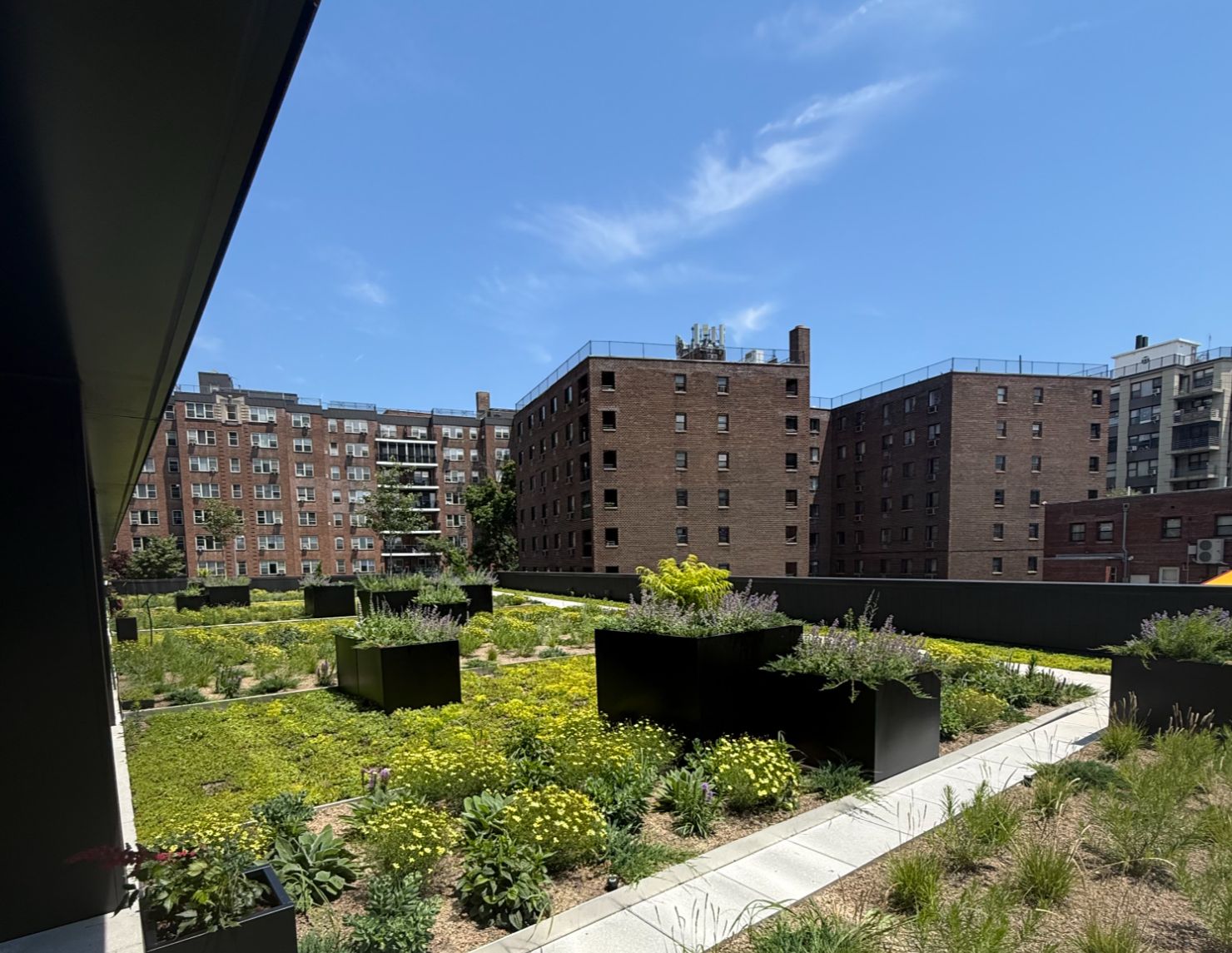
Central Queens hubs like Rego Park and Forest Hills feature classic mid-20th-century co-ops and condos. Unlike condos—where unit owners pay property taxes separately—co-op maintenance fees bundle property taxes, underlying mortgages, building staff payroll, and reserve fund contributions into a single monthly bill.
If a building fails to allocate adequate funds to reserves, lenders label the project non-warrantable. When a building loses warrantability:
-
Buyers cannot secure standard 30-year conventional mortgages.
-
Buyers are forced to use non-QM loans requiring 25% to 30% down payments and significantly higher interest rates.
-
Property values drop because the pool of qualified buyers shrinks overnight.
To avoid non-warrantable status, proactive co-op boards across Forest Hills and Rego Park are adjusting 2027 budgets now, which may temporarily increase monthly maintenance or trigger targeted assessments to build adequate reserves.
What Buyers & Sellers Should Do Next
-
If You Are Buying: Review the last two years of board meeting minutes, the building's current reserve balance, and upcoming capital projects before putting down earnest money.
-
If You Are Selling: Partner with a agent who understands how to pre-screen building financials so your property doesn't get stuck in lender underwriting mid-contract.
Whether you're exploring Rego Park Co-ops for Sale or navigating the Forest Hills Real Estate Market, having an expert analyze building health keeps your deal on track.
Thinking of selling your Queens home? Get an accurate pricing strategy tailored to your building's financial health with a Free Queens Home Valuation.